Bathroom design can be really dreamy. Who hasn’t entertained a fantasy of sinking into a freestanding clawfoot tub to escape the world for a while?
But the reality is, bathroom fixture choices often hinge on the configuration of your bathroom: room dimensions, wall space (or lack thereof), access to your plumbing pipes, and the overall design and infrastructure of your house.
If you’re dealing with new construction, you could design around the tub of your dreams. But if you’re remodeling an existing bathroom, your choices may be limited. Whatever your situation, keep these factors in mind:
Size: Your available space determines a lot. “With a smaller-sized space, some people choose to have a dual shower/bathtub [an alcove tub], while those with ample space have the luxury of choosing a free-standing style,” says Katie Simpson, interior designer at Mackenzie Collier Interiors. Then there’s the height of the tub walls. Do you need access for little ones or someone with physical limitations?
Material and weight: These usually go hand in hand. A cast iron tub is more expensive and extremely heavy but durable. Fiberglass is lighter and stronger with low maintenance but can be prone to scratching or warping over time, according to Arnold Long, general operations manager at Mr. Blue Plumbing. “While higher quality materials like cast iron, natural stone and copper are very popular and desirable, they tend to be too heavy for many homes,” he says. Consider the weight of a tub filled with water when determining if there’s enough support for it (subfloor, construction).
Shape: Are you looking at a traditional, classic rectangular alcove tub (paired with a shower, enclosed by three walls) or a freestanding tub, perhaps with a shower elsewhere? Do you want a corner tub or a deep soaker? Tub shape can also influence the overall style of the room. “Oval and round tubs tend to lean more modern,” Simpson says, “while rectangular tubs are more traditional.”
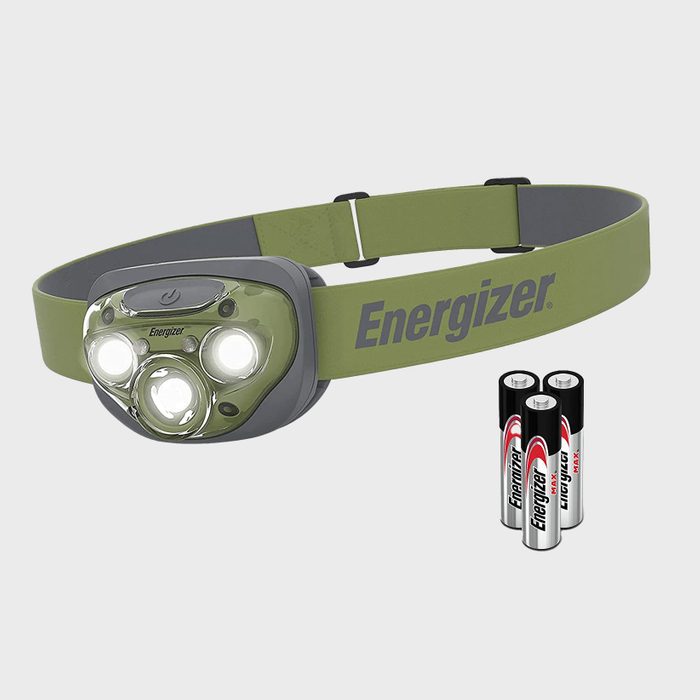
A battery-operated headlamp or a rugged, reliable flashlight are essential if your area is prone to wildfires, according to Jannine Wilmoth, emergency manager of Anaheim Fire & Rescue. If you lose power, need to see outside at night or evacuate, this light will be invaluable.
Always keep at least two sets of replacement batteries where you can easily find them. The Energizer LED headlamp, shown here, is a powerful choice with its seven light modes and long-lasting run time. It’s made to withstand rough conditions and features a waterproof lens.
Shower in style with this flush mount light by Chenben. High-quality LED chips brighten any shower area, and the sleek black border design presents a modern look. It’s also energy saving, with an estimated life span of up to 30,000 hours.
“This lamp fully meets the requirements,” an Amazon reviewer wrote. “We were worried that it was not bright enough, but when I installed it and opened it, it would perfectly illuminate our entire bathroom.”
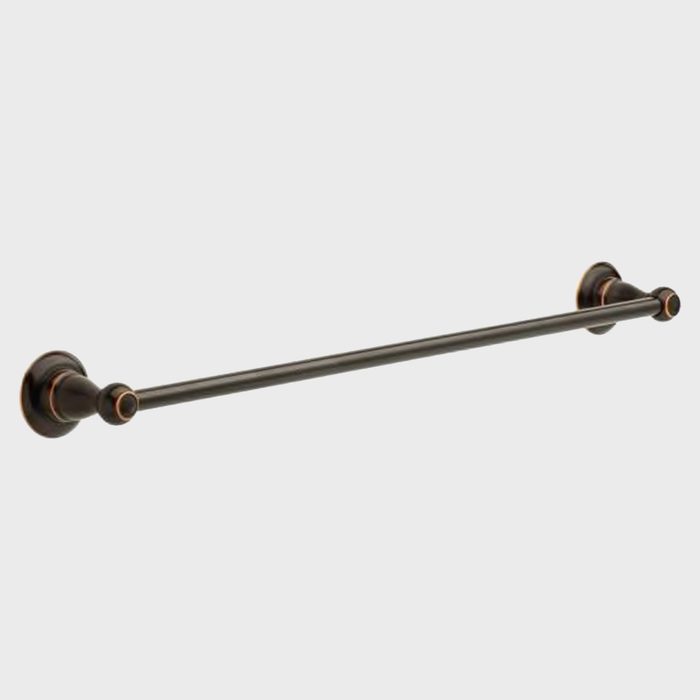
Sometimes the simplest solution is best. This sleek bathroom towel rack does its job without any bells and whistles. It’s just a traditional wall-mounted towel bar.
The well-loved bathroom fixture brand Delta offers this model in brushed nickel, oil-rubbed bronze and polished chrome to match any bathroom color scheme.
On any night in the fall and spring, there might be thousands, if not millions, of birds flying unseen overhead. But unfortunately, each year between 350 million to one billion of them die due to man-made lights. The good news is that we are learning how to help, with just the flip of a switch.
How Do Lights Affect Migrating Birds?
Bright lights and big cities attract birds, similar to how porch lights attract moths. Except the lights disorient them in flight. Some crash into windows and die; more than 270 species of North American birds are known to collide with buildings due to light pollution. Others are thrown off their migration paths and never make it to their destinations. Nocturnal search lights can cause birds to circle for hours, calling out in confusion.
“Not only do artificial lights disrupt and confuse nocturnal migrants, such as many types of songbirds and waterfowl, they also cause birds to alter their feeding and reproductive behaviors,” says independent wildlife biologist Amy Sugeno, who specializes in songbirds and waterfowl.
How Can Homeowners Help Nocturnal Migrating Birds?
Turn off exterior house lights and downshield exterior lighting to eliminate lights that can be seen from above.
“Artificial lights don’t just affect birds,” says Sugeno. “They have been shown to negatively affect many other animal species, including nesting sea turtles, moths, bats, frogs and even humans.”
Why Do Birds Migrate at Night?
Cooler temperatures prevent them from overheating. Darkness keeps them safe from hawks, falcons and other daytime predators. Night air is less turbulent so it takes less effort to navigate.
What Birds Migrate at Night?
Most land birds migrate at night, among them sparrows, thrushes, orioles, cuckoos, flycatchers, warblers and vireos. Daytime fliers include swifts, swallows, pelicans, most hummingbirds and birds of prey.
Raleigh, North Carolina, is one of the most recent to announce it will turn off all non-essential lighting in city facilities between 11 p.m. and 6 a.m. from Sept. 10 to Nov. 30. According to a statement from the city: “Migratory bird populations are in serious decline, and such collisions are significant contributors to these losses. Turning off lights is a simple way to make a positive impact!”
Are Birds in Decline?
Yes. There are nearly three billion fewer birds in North America now than in 1970. That’s more than one in four of all birds. More than 90 percent of those losses come from just 12 families, among them warblers, finches, sparrows and blackbirds. Building collisions from light pollution are one of the largest causes of bird mortality, second only to cats.
Can I See Birds Migrating at Night?
Yes, but it takes work. First, check BirdCast’s migrating bird maps and alerts. You can watch birds on radar, or use a spotting scope or binoculars to see them flying across the lighted face of the moon. Listen for their short flight noises as well. A microphone makes it easier to catch the more subtle calls.
Will Turning Off My Few Lights Really Make a Difference?
Yes. Each household adds to the strength of collective community efforts.
How many plants are in your yard? If you have a lawn, the answer is: Too many to count. The average quarter-acre lawn contains millions of grass plants.
Fortunately, these plants start easily from seed. Grass is one of the most common plants on the planet, and one of the easiest to germinate. Still, timing and technique are important. Read on to learn more about sowing grass seed in the fall.
Should You Plant Grass Seed in Fall or Spring?
Yes to both! Fall is best for starting lawns in the North, while spring is better in the South. However, fall is the time for overseeding Southern lawns with a cool-season grass variety so they stay green in winter. So fall seeding has its place in both regions.
When Is the Best Time To Plant Grass Seed?
That depends on where you live and what kind of grass you’re growing. Cool-season grasses (Kentucky bluegrass, tall fescue, perennial ryegrass) thrive in the cooler temperatures of fall, while warm-season grasses (Bermudagrass, centipede grass, bahiagrass and zoysia grass) peak in late spring and early summer.
Those are optimum times for growth, and consequently the optimum times to sow grass seed for the respective cool- or warm-season grass. If sowing in fall, do it at least 45 days before your expected first frost date. That could be late September in Minnesota, or early November in Oklahoma.
Planting Grass Seeds in the Fall
Here’s how to ensure your fall grass seed sprouts easily and effectively.
Soil preparation
As with any garden bed, the time to improve the soil is before planting. It’s especially important for compacted soils or those with primarily heavy clay.
Compacted soils should be loosened; you can do small patches with a spade fork or an entire bed with a tiller. If the soil is poor (say, impervious clay or sieve-like sand), spread a couple of inches of compost and mix it in. Compost helps clay soil drain better and sandy soil retain moisture and nutrients. Plus it adds nutrients and beneficial microbes.
Choosing grass seed
Choose a seed mix suited to your climate and conditions. Many bagged grass seeds include more than one grass species, or a blend of more than one variety. This helps ensure resistance to environmental factors like drought or heavy foot traffic, and promotes genetic diversity.
To make it easier for the consumer, manufacturers label some grass seed mixes specifically for problem situations, such as shade or heavy traffic. These mixes contain the varieties best suited to the situation.
A popular mix might include Kentucky bluegrass, fine fescue and perennial ryegrass. Each brings something different to the table. Kentucky bluegrass forms a thick, lush carpet, fine fescue takes shade, and perennial ryegrass withstands heavy foot traffic, so together they make a formidable team. Moreover, quick-sprouting fine fescue gives protective cover to the slow-out-of-the-gate Kentucky bluegrass.
Planting grass seed
Once the soil is prepared, spread the grass seed. Small batches can be sown by hand, but a handheld spreader will distribute the seed more evenly. Larger areas can be done with a drop spreader, which deposits the seed beneath it, or a broadcast spreader, which fans the seed out in a circular motion.
Once you’ve spread the seed, use a garden rake to lightly work the seed no more than 1/4-inch into the soil. If sowing an entire lawn, consider renting a lawn roller, which will flatten the soil and ensure better seed-to-soil contact.
After that, mulch with straw or a biodegradable seed-starter made with paper, an adhering agent and seed-starting fertilizer. Mulch helps discourage bird browsing while keeping seeds moist for germination.
Watering grass seed
Although mulch helps prevent the sun from baking the seedbed, you still need to water. The key is to keep seeds (and later tender seedlings) moist but not soggy. A mulched bed needs daily watering in the morning. An unmulched bed needs two or three light waterings each day.
Grass seed germination: What to do when grass sprouts
Grass seed germination takes from five days to three weeks, depending on the species. After grass seedlings begin to grow, you can taper off watering. Transition gradually, going from daily to every other day to every three or four days and finally to weekly.
Grass can take a couple of months to become established, and an entire growing season to be ready for extended foot traffic. When seedlings are up about an inch, check to see if there are any bare spots that need to be re-seeded. You can begin mowing when new grass is about three inches tall — a milestone that might not be met until spring.
Yay! Cold mornings and raked leaves means lawn chores are finally over!
Or not.
If you’ve got scraggly turf or bare spots in your lawn, dormant seeding might be the ticket to producing a lush lawn next year, while reducing the headache of fighting spring weeds.
Does Grass Grow in Winter?
It depends on where you live. If temperatures drop below 40 F, grass becomes dormant and doesn’t grow much, if at all. That means no mowing until spring.
Even if you live in a place that rarely experiences a hard frost — say, much of Florida — your grass will probably go into some degree of dormancy. It will grow, but more slowly, and it might not look as vibrant as it does when it’s warmer.
Can Grass Seed Survive Winter?
Yes, it often does. Spreading seed in late fall or early winter is called dormant seeding because it will not sprout until spring, especially if it’s covered with snow.
“Adding grass seed to the ground in late fall is best for when you want to reseed bare soil areas or thicken up a thin lawn,” says TurfMutt Foundation President Kris Kiser. “[But] if your lawn is already lush and dense, the grass seed you add has no way to get into the soil to germinate and grow in the spring.”
There’s one downside to dormant seeding: If the weather warms long enough for the grass to germinate, then freezes again, the new sprouts may not survive. Typically, grass needs a consistent soil temperature in the mid-50s F to germinate and grow, or daytime air temperatures in the 60s F and 70s F. If it does sprout and freeze, you will need to reseed the area.
If you live in an especially warm climate, like South Florida, regular seeding in spring and early summer often is a better option.
Which Grass Seed to Pick for Winter Seeding
Temperature, rainfall, humidity, sunlight, shade, soil composition and maintenance expectations all factor in when choosing which grass to plant. So it’s good to contact your local county extension office for the best advice for your locale. Also, check your U.S. Department of Agriculture Plant Hardiness Zone map to determine what kinds of grass and other plants grow best in your area.
In general, there are cool-season grasses for Northern and higher-elevation climates, and warm-season grasses for Southern and other warmer climates.
Common cool-season grasses include:
Kentucky bluegrass;
Fine fescue;
Tall fescue;
Perennial ryegrass.
These grasses will germinate earlier in cold soils, so they’ll develop faster than seeds sown in spring. That is particularly helpful for thickening lawns before weeds start to grow. It also gives grass an advantage in densely shaded areas, because it can get established before spring foliage emerges.
If you live in a middle climate, Kiser suggests a blend of warm and cold-season grasses.
Dormant Seeding Tips
Dormant seeding is typically done once temperatures are low enough to prevent germination until spring. In cooler regions, this means sometime in October or November, after the last of the leaves have been raked up. Ideally, the ground will not be frozen, just cold enough to prevent sprouting.
Think about moisture. “Check the weather forecast and try to sow seeds shortly before a snowstorm or heavy rain,” says Kiser.
Remove excess yard waste. “The most important thing to keep in mind is that you are trying to achieve soil to seed contact,” he says. “So if you are adding seed to a lawn with heavy thatch, this needs to be raked away.”
Spread the seeds evenly by hand. If you have a large area to cover, try a seeder or spreader. “Try not to place the seeds to close together so seedlings do not have to fight for resources,” Kiser says.
Follow the instructions on the seed bag.
Over the winter, freezing and thawing will help the seeds work into the soil. You’ll know if it worked by mid- to late-spring. At that point, if it’s looking a little thin, add more seed.
Winter Lawn Care Tips
Mostly, from here on out it’s all about sitting back and enjoying the winter season. Just two more bits of advice:
Avoid walking on your lawn too much in the winter, which can damage frozen grass. “Usually only the top part of the grass blade will snap off and the rest of the grass will be fine,” says Kiser. “But steps on a brittle lawn can leave an unsightly look.”