Meal Prep Delivery

Wednesday, April 28, 2021

How to Plant and Grow a Magnolia Tree

Magnolia trees are ancient, with fossilized specimens as old as 20 million years. They’re so ancient in fact that they predate bees and other winged pollinators and relied on pollination from beetles.

In more recent times, magnolia trees have been valued for their large, fragrant, gorgeous flowers, but also for their culinary and medicinal uses in some cultures. They’re low maintenance, resistant to most pests and diseases and offer year-round beauty. Here’s how to bring these gorgeous flowers to your landscape.

What Is a Magnolia Tree?

Magnolia trees are a genus of over 200 flowering trees that are prized for their large, fragrant and stunning bowl- or star-shaped flowers that bloom sporadically, but prolifically, from mid-March to April. Depending on the specific type of magnolia tree, the flowers can be white, green, yellow, purple or pink, and may not bloom until the tree is at least 15 years old.

Their large, glossy, green leaves also offer aesthetic value, with some types of magnolia trees shedding every fall (deciduous Magnolia trees), while others keep their leaves all year (evergreen Magnolia trees). Both types can grow anywhere between 10 to 100 feet tall, depending on the specific variety.

Where Do Magnolia Trees Thrive?

Most magnolia trees thrive in the hot, south and southeast regions of the United States (USDA Plant Hardiness Zones 7 through 10). However, some types are hardy down to Zone 3, making it possible to find a suitable variety for practically any region. Magnolia trees prefer full sun, but can also tolerate partial shade. They prefer slightly acidic, loose, moist, well-draining soil. Their flowers and branches are fragile and susceptible to wind damage, so they should be sheltered from exposure to strong winds.

How to Care for a Magnolia Tree

Magnolia trees (especially the evergreen varieties) are notoriously trouble-free and low-maintenance, but there are considerations to keep in mind.

  • Water. Water newly planted trees two to three times per week for the first three to six months. Mature, established trees should be watered once per week. Irrigate with two to three gallons for every inch of trunk diameter.

  • Mulch. Lay a two- to four-inch layer of mulch around the tree’s base for moisture retention.

  • Fertilize. Newly planted magnolia trees shouldn’t be fertilized for the first year. After a year, feeding your tree a balanced fertilizer every spring can promote flower production.

How to Prune a Magnolia Tree
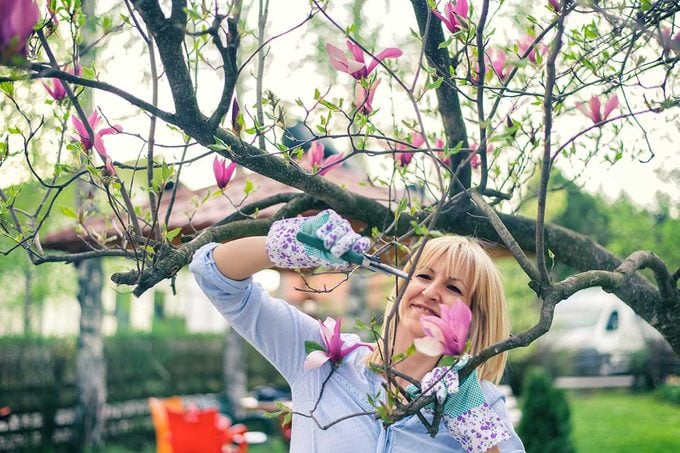
Pruning A Magnolia Tree

Pruning a magnolia tree isn’t required, and some horticulturalists advise against it. Magnolia trees don’t heal from pruning cuts as well as most other trees, and this is especially true of mature magnolia trees. That said, trimming young trees can promote healthy and aesthetic growth. Pruning mature trees mostly consists of removing dead and damaged branches.

It’s best to trim evergreen magnolias in late spring or summer, and deciduous magnolias between midsummer and early fall. Perform the following steps with bypass pruning shears or a pole pruner.

  • Remove stems or branches growing out of the trunk or around the base of the tree (aka suckers).
  • Remove dead branches.
  • Trim back branches that detract from the desired appearance and balance of the canopy.

How to Propagate a Magnolia Tree

Magnolia trees can be propagated from semi-hardwood cuttings. Some common magnolia varieties like the Majestic Beauty are patented, and cannot be legally propagated at home. Before you begin, it’s wise to verify the legality of propagating that specific variety. Begin the propagation process during summer, after the tree’s spring growth has matured.

  1. Fill a small nursery pot with equal parts sand and peat moss.
  2. Soak the peat moss in water and allow excess water to drain out.
  3. Cut a four- to six-inch section, that’s roughly 1/4 inch in diameter at the base, off the tip of a branch from the magnolia tree. Avoid sections with solid green bark because these are not mature enough to propagate.
  4. Scrape the bark off the bottom 1/2 inch of the cutting to expose the cambium layer.
  5. Apply rooting hormone to the cut end and cambium layer.
  6. Place the cut end into the nursery pot.
  7. Place the pot in a protected area outside that is lightly shaded and receives morning sun.
  8. Keep the sand and peat moss mixture moist by watering when the top inch feels dry.
  9. After about a month, check for root development by gently tugging on the cutting and feeling for resistance.
  10. After roots have formed, transfer the cutting into a nursery pot filled with potting soil mix and place it in the same protected location. Continue growing in this pot for a full year, until the following fall.
  11. Transplant the cutting into the ground in an area with the ideal environmental conditions.


Article source here: How to Plant and Grow a Magnolia Tree

How to Plant and Grow a Magnolia Tree

Magnolia trees are ancient, with fossilized specimens as old as 20 million years. They’re so ancient in fact that they predate bees and other winged pollinators and relied on pollination from beetles.

In more recent times, magnolia trees have been valued for their large, fragrant, gorgeous flowers, but also for their culinary and medicinal uses in some cultures. They’re low maintenance, resistant to most pests and diseases and offer year-round beauty. Here’s how to bring these gorgeous flowers to your landscape.

What Is a Magnolia Tree?

Magnolia trees are a genus of over 200 flowering trees that are prized for their large, fragrant and stunning bowl- or star-shaped flowers that bloom sporadically, but prolifically, from mid-March to April. Depending on the specific type of magnolia tree, the flowers can be white, green, yellow, purple or pink, and may not bloom until the tree is at least 15 years old.

Their large, glossy, green leaves also offer aesthetic value, with some types of magnolia trees shedding every fall (deciduous Magnolia trees), while others keep their leaves all year (evergreen Magnolia trees). Both types can grow anywhere between 10 to 100 feet tall, depending on the specific variety.

Where Do Magnolia Trees Thrive?

Most magnolia trees thrive in the hot, south and southeast regions of the United States (USDA Plant Hardiness Zones 7 through 10). However, some types are hardy down to Zone 3, making it possible to find a suitable variety for practically any region. Magnolia trees prefer full sun, but can also tolerate partial shade. They prefer slightly acidic, loose, moist, well-draining soil. Their flowers and branches are fragile and susceptible to wind damage, so they should be sheltered from exposure to strong winds.

How to Care for a Magnolia Tree

Magnolia trees (especially the evergreen varieties) are notoriously trouble-free and low-maintenance, but there are considerations to keep in mind.

  • Water. Water newly planted trees two to three times per week for the first three to six months. Mature, established trees should be watered once per week. Irrigate with two to three gallons for every inch of trunk diameter.

  • Mulch. Lay a two- to four-inch layer of mulch around the tree’s base for moisture retention.

  • Fertilize. Newly planted magnolia trees shouldn’t be fertilized for the first year. After a year, feeding your tree a balanced fertilizer every spring can promote flower production.

How to Prune a Magnolia Tree

Pruning A Magnolia Tree

Pruning a magnolia tree isn’t required, and some horticulturalists advise against it. Magnolia trees don’t heal from pruning cuts as well as most other trees, and this is especially true of mature magnolia trees. That said, trimming young trees can promote healthy and aesthetic growth. Pruning mature trees mostly consists of removing dead and damaged branches.

It’s best to trim evergreen magnolias in late spring or summer, and deciduous magnolias between midsummer and early fall. Perform the following steps with bypass pruning shears or a pole pruner.

  • Remove stems or branches growing out of the trunk or around the base of the tree (aka suckers).
  • Remove dead branches.
  • Trim back branches that detract from the desired appearance and balance of the canopy.

How to Propagate a Magnolia Tree

Magnolia trees can be propagated from semi-hardwood cuttings. Some common magnolia varieties like the Majestic Beauty are patented, and cannot be legally propagated at home. Before you begin, it’s wise to verify the legality of propagating that specific variety. Begin the propagation process during summer, after the tree’s spring growth has matured.

  1. Fill a small nursery pot with equal parts sand and peat moss.
  2. Soak the peat moss in water and allow excess water to drain out.
  3. Cut a four- to six-inch section, that’s roughly ¼ inch in diameter at the base, off the tip of a branch from the magnolia tree. Avoid sections with solid green bark because these are not mature enough to propagate.
  4. Scrape the bark off the bottom ½ inch of the cutting to expose the cambium layer.
  5. Apply rooting hormone to the cut end and cambium layer.
  6. Place the cut end into the nursery pot.
  7. Place the pot in a protected area outside that is lightly shaded and receives morning sun.
  8. Keep the sand and peat moss mixture moist by watering when the top inch feels dry.
  9. After about a month, check for root development by gently tugging on the cutting and feeling for resistance.
  10. After roots have formed, transfer the cutting into a nursery pot filled with potting soil mix and place it in the same protected location. Continue growing in this pot for a full year, until the following fall.
  11. Transplant the cutting into the ground in an area with the ideal environmental conditions.


Article source here: How to Plant and Grow a Magnolia Tree

Article source here:

8 Best Fertilizers for Your Garden

Garden Fertilizer

Why Use Fertilizer in the Garden?

When the plants, flowers, fruits and vegetables growing in your garden are healthy and flourishing, that means they’re absorbing enough nutrients from the soil they’re planted in. But that’s just the thing — they’re absorbing nutrients. Most plants need a mix of nitrogen, phosphorus and potassium to thrive and, over time, those nutrients in the soil are depleted. And as soil quality goes, so goes your garden. That’s why many home gardeners choose to add fertilizer to boost the soil’s nutrient content and keep their garden plants looking healthy, year after year.

However, not every fertilizer is right for every plant or climate. Read on for our picks for the best fertilizers for your garden.


Article source here: 8 Best Fertilizers for Your Garden

Article source here:

8 Best Fertilizers for Your Garden

Garden Fertilizer

Why Use Fertilizer in the Garden?

When the plants, flowers, fruits and vegetables growing in your garden are healthy and flourishing, that means they’re absorbing enough nutrients from the soil they’re planted in. But that’s just the thing — they’re absorbing nutrients. Most plants need a mix of nitrogen, phosphorus and potassium to thrive and, over time, those nutrients in the soil are depleted. And as soil quality goes, so goes your garden. That’s why many home gardeners choose to add fertilizer to boost the soil’s nutrient content and keep their garden plants looking healthy, year after year.

However, not every fertilizer is right for every plant or climate. Read on for our picks for the best fertilizers for your garden.


Article source here: 8 Best Fertilizers for Your Garden

Images from Family Handyman’s Getaway Project

Fh21d Getaway Siteprep 0420 Art 1200 016

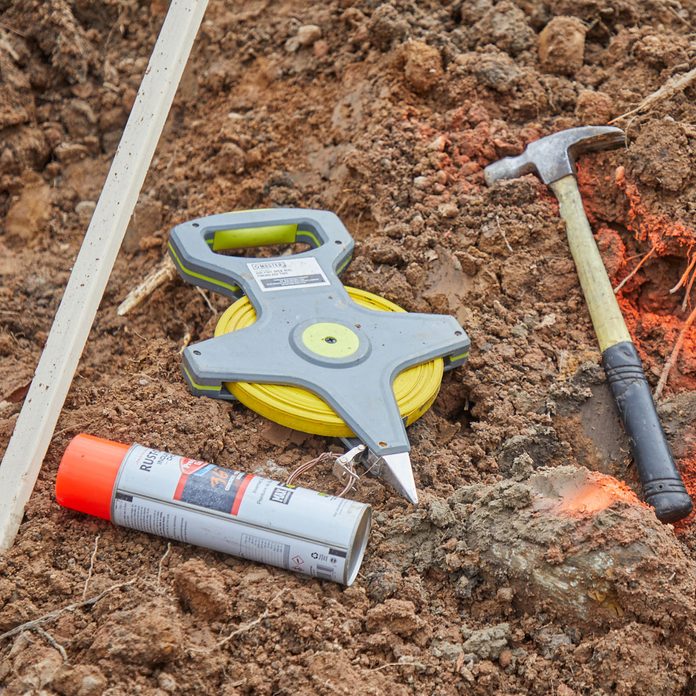
Excavating the Site


Article source here: Images from Family Handyman’s Getaway Project

Article source here:

Images from Family Handyman’s Getaway Project

Fh21d Getaway Siteprep 0420 Art 1200 016

Excavating the Site


Article source here: Images from Family Handyman’s Getaway Project

New BriqCash Payment and Rewards Platform for Contractors

Briq, a software company that specializes in construction finances, just announced the launch of their new platform “BriqCash“, an all-in-one financial system for contractors. Through BriqCash, contractors will be able to process invoices automatically, manage expenses and employee payment cards, and make direct payments all while earning rewards and cash back on purchases.

The service is intended to provide contractors and construction accountants with one central tool through which they can control a construction company’s entire money workflow.

“We are the only platform in construction that takes contractors from plan to pay in one seamless motion,” said Briq CEO Bassem Hamdy.

The BriqCash rewards program works similarly to any other rewards program: anytime contractors spend money through BriqCash, they earn points that can then be redeemed for specific rewards. Where the BriqCash program differs from other rewards programs, though, is in the kinds of rewards that it offers, which include tools, equipment rentals, and supplies.

Other features of the BriqCash platform include:

  • Accounting automation that eliminates the need for manual data entry.
  • Physical and virtual debit cards for workers that can be reloaded with funds every pay cycle.
  • Automation of expense reporting, invoices, and accounts payable.

BriqCash is currently in a pilot program. Randy Smith, a CPA for a Texas-based mechanical specialty contractor, has been using BriqCash system for the last few months and has praised it as a time-saver.

“We think this is going to be a game changer for the construction industry,” Smith told Construction Dive.

For more information and to sign up for the BriqCash waiting list, visit the BriqCash website. 


Article source here: New BriqCash Payment and Rewards Platform for Contractors

What You Need to Know Before Buying a Car Out of State

There are a few reasons why you might consider going to another state to buy a vehicle, especially if you leave near a border. Maybe you wan...