Meal Prep Delivery

Monday, February 1, 2021

Is a Wood Burning Stove Right for Your Home?

With an estimated 10.1 million wood burning stoves in American homes, the U.S. Environmental Protection Agency (EPA) has released new guidelines to regulate this large and stable industry. All new wood burning stoves must release no more than 4.5 grams of smoke per hour to minimize greenhouse gas effects during winter. This number is expected to drop by 50 percent within the next year or so.

Modern stove designs are full of innovations that help them meet this stringent new environmental standard. If you think you’d like to try heating with wood, a wood burning stove is certainly worth considering. Learn all about wood burning stoves and how they work, then decide for yourself if one makes sense as a heat source for your home.

If you decide they’re not for you but still like the idea of burning wood, consider having a fireplace or masonry heater built in your home. Or for a more refined wood burning experience, invest in a hardwood pellet burning stove.

What Is a Wood Burning Stove?

Wood burning stoves are self-contained heating appliances designed to produce indoor heat through wood combustion. Many sizes and styles exist, but the basic principles are always the same.

A wood fire is contained in the body of the stove, which is usually made of steel or cast iron. The fire warms the body of the stove, which radiates heat into the surrounding space. Smoke from the fire leaves the building through a pipe (called the flue) that leads to a chimney.

How Does a Wood Burning Stove Work?

All wood burning stoves rely on constant air flow to create combustion and heat. Fresh air is drawn in through adjustable dampers, usually in the stove’s door. This air allows wood inside the stove to burn, because combustion can’t happen without oxygen. Exhaust gases from the fire are then drawn up the chimney, safely leaving the building.

Most modern wood stoves are lined with fire brick to protect their metal bodies from overheating. Many also have specially shaped pieces of sheet steel, called baffles, inside their firebox. The baffles are designed to control and slow the escape of gases through the chimney, retaining warmth longer and improving overall efficiency.

In addition to the adjustable air vents in the front of most stoves, many are also equipped with turn dampers in the indoor portion of the flue pipe that leads to the chimney. Turn dampers are circular discs of metal attached to handles protruding from the pipe. They’re slightly smaller in diameter than the inside of the stovepipe, and they are rotatable. This rotation lets the user slow down or speed up the departure of exhaust gases from the building, allowing more or less heat to be retained.

Is a Wood Burning Stove a Good Heat Source for Your Home?

It depends. Wood burning stoves aren’t for everyone. If you prefer low to no maintenance heating options where the only homeowner involvement is setting the thermostat and paying your monthly bill, burning wood probably isn’t for you.

If, on the other hand, you like a traditional heating approach that involves some physical work (cutting, splitting and stacking wood), owning a wood stove can be a beautiful thing. Old timers near where I live say that firewood you produce yourself rather than buy warms you three times: Once when you cut and split it, once when you stack it and once more when you burn it.

However, if your home is large with many closed-off rooms, wood heat isn’t the best choice. That’s because wood stoves lack ducts to move warm air around the home. Generally speaking, wood burning stoves suit small to medium-size, open-concept houses best.

What to Burn in a Wood Burning Stove

There’s more to proper wood stove use then filling it with wood and stepping away. The species and moisture content of your firewood affect your stove’s performance in a big way.

All firewood should be stacked in a well-ventilated area for at least a few months after cutting and splitting before you try to burn it. This gives the wood a chance to dry, and makes combustion much cleaner and more efficient.

Hardwoods like oak, maple, birch and ash provide the most heat, so if you live somewhere with seriously cold winters stock up on this sort of wood. Softwoods like pine and fir don’t provide as much heat or burn as cleanly because of naturally occurring oils in the fibers, but some folks find them ideal for fall and spring burning when it’s not cold enough to warrant a hardwood fire.

How To Clean and Maintain a Wood Burning Stove

Three parts of your wood burning stove system need regular cleaning.

Firebox: This is the main chamber inside your wood burning stove where the fire is contained. It will need to have the ash removed regularly — once a week or more, depending on the size of your stove.

Flue Pipe: The indoor pipe leading from your stove to the chimney will gradually build up ash, and possibly a little creosote if you do some burning with the air intake dampers mostly closed. You’ll need to remove this pipe and clean it outdoors with a chimney brush every month or two.

Chimney: Most chimneys have a bottom access port for cleaning. Use your stovepipe cleaning brush with chimney rod attachments to scrape loose any ash buildup inside the chimney pipe. Do this a few times each winter.

In addition to these cleaning tasks, remove ash and soot from the inside face of your stove door regularly.


Article source here: Is a Wood Burning Stove Right for Your Home?

Electric Baseboard Heater Buying Guide

Electric heaters offer an effective and affordable way to deliver zoned and supplemental heat. The downside? They’re usually noisy and not powerful enough to adequately heat a whole room. Some even take up precious floor space.

However, electric baseboard heaters don’t have any of these shortcomings. They offer a powerful source of heat while operating silently and without sacrificing floor space. If those features sound appealing to you, read on to learn what you need to know about electric baseboard heaters.

What Is an Electric Baseboard Heater?

An electric baseboard heater is a short and wide electrical heating element installed near floor level, often over the baseboard trim — hence the name. They are usually hardwired into a home’s existing electrical wiring, but some units can be plugged into a standard electrical outlet for easy installation and portability.

An electric baseboard heater produces heat via convection or hydronic process. Convection baseboard heaters are the most common; they use heated metal fins to turn cold air near the floor into warm air that rises and spreads throughout the room. Hydronic baseboard heaters feature an electric heating element that warms an internal reservoir of liquid surrounded by metal fins, distributing radiant heat into the room.

How To Choose an Electric Baseboard Heater

Choosing the best electric baseboard heater mostly depends on the size of the space you need to heat, how energy efficient you want the heater to be, and your budget. Generally, an electric baseboard heater should have 10 watts of power for every square foot of space you need to heat. So a 100-square-foot room would need a 1,000-watt heater to serve as the primary heat source.

Hydronic baseboard heaters are significantly more energy efficient than convection because the warmed fluid keeps generating heat after the heater is shut off. In contrast, a convection heater’s metal fins cool off quickly. That means the convection heater needs to stay on longer to generate the same amount of heat as a hydronic heater. However, convection heaters are cheaper and available in a wider range of sizes and power ratings. They are also more commonly available as plug-in units.

Baseboard Heater Costs and Installation

Electric baseboard heaters cost between $25 and $250. Convection baseboard heaters are on the lower end of that range, often under $60, and hydronic baseboard heaters are on the higher end, usually between $200 and $250. The cost of installation depends on whether you need a professional electrician to connect a hardline heater to your home’s electrical wiring. A plug-in, of course, doesn’t need a professional install.

Hardwiring a baseboard heater into your home’s electrical system may require running new wires through the wall, running existing wiring to the heater’s intended location, and installing a new circuit on your electrical panel. While it’s possible for a highly capable homeowner or DIYer to perform these tasks, it’s usually best to hire a pro.

An electrician’s labor cost can be between $75 and $250 an hour, and the total cost to purchase and professionally install a baseboard heater is usually between $400 and $1,200. Whether you call a pro or DIY, you may also need to remove a portion of the existing baseboard trim.

Baseboard Heater Maintenance

One advantage of baseboard heaters: The lack of moving parts. That means less maintenance and fewer repairs. But you do need to periodically clean the metal heating fins to maintain optimal function and maximize lifespan.

To do this, simply remove the front panel cover and vacuum dirt and debris from the metal fins. You can also use a small bristle brush and damp rag for a more thorough cleaning. Before you begin, make sure the baseboard heater is off and completely cool to the touch to prevent burns. Pros recommend cleaning a baseboard heater’s fins at least once a year, preferably at the beginning of heating season.

Safety Considerations

As with other electric heaters, keep some important safety considerations in mind:

  • Maintain at least 12 inches of cleared space in front of the heater;
  • Maintain at least six inches of cleared space on either side of the heater;
  • Ensure no fully opened door blocks the heater;
  • Don’t use an extension cord with a plug-in model;
  • Ensure the heater has an automatic overheat shut-off feature;
  • Keep children and pets away from active heaters to avoid burns.

It’s also wise to choose a baseboard heater that’s been tested for safety by a third-party testing agency, like Underwriter Laboratories (UL).


Article source here: Electric Baseboard Heater Buying Guide

Electric Baseboard Heater Buying Guide

Electric heaters offer an effective and affordable way to deliver zoned and supplemental heat. The downside? They’re usually noisy and not powerful enough to adequately heat a whole room. Some even take up precious floor space.

However, electric baseboard heaters don’t have any of these shortcomings. They offer a powerful source of heat while operating silently and without sacrificing floor space. If those features sound appealing to you, read on to learn what you need to know about electric baseboard heaters.

What Is an Electric Baseboard Heater?

An electric baseboard heater is a short and wide electrical heating element installed near floor level, often over the baseboard trim — hence the name. They are usually hardwired into a home’s existing electrical wiring, but some units can be plugged into a standard electrical outlet for easy installation and portability.

An electric baseboard heater produces heat via convection or hydronic process. Convection baseboard heaters are the most common; they use heated metal fins to turn cold air near the floor into warm air that rises and spreads throughout the room. Hydronic baseboard heaters feature an electric heating element that warms an internal reservoir of liquid surrounded by metal fins, distributing radiant heat into the room.

How To Choose an Electric Baseboard Heater

Choosing the best electric baseboard heater mostly depends on the size of the space you need to heat, how energy efficient you want the heater to be, and your budget. Generally, an electric baseboard heater should have 10 watts of power for every square foot of space you need to heat. So a 100-square-foot room would need a 1,000-watt heater to serve as the primary heat source.

Hydronic baseboard heaters are significantly more energy efficient than convection because the warmed fluid keeps generating heat after the heater is shut off. In contrast, a convection heater’s metal fins cool off quickly. That means the convection heater needs to stay on longer to generate the same amount of heat as a hydronic heater. However, convection heaters are cheaper and available in a wider range of sizes and power ratings. They are also more commonly available as plug-in units.

Baseboard Heater Costs and Installation

Electric baseboard heaters cost between $25 and $250. Convection baseboard heaters are on the lower end of that range, often under $60, and hydronic baseboard heaters are on the higher end, usually between $200 and $250. The cost of installation depends on whether you need a professional electrician to connect a hardline heater to your home’s electrical wiring. A plug-in, of course, doesn’t need a professional install.

Hardwiring a baseboard heater into your home’s electrical system may require running new wires through the wall, running existing wiring to the heater’s intended location, and installing a new circuit on your electrical panel. While it’s possible for a highly capable homeowner or DIYer to perform these tasks, it’s usually best to hire a pro.

An electrician’s labor cost can be between $75 and $250 an hour, and the total cost to purchase and professionally install a baseboard heater is usually between $400 and $1,200. Whether you call a pro or DIY, you may also need to remove a portion of the existing baseboard trim.

Baseboard Heater Maintenance

One advantage of baseboard heaters: The lack of moving parts. That means less maintenance and fewer repairs. But you do need to periodically clean the metal heating fins to maintain optimal function and maximize lifespan.

To do this, simply remove the front panel cover and vacuum dirt and debris from the metal fins. You can also use a small bristle brush and damp rag for a more thorough cleaning. Before you begin, make sure the baseboard heater is off and completely cool to the touch to prevent burns. Pros recommend cleaning a baseboard heater’s fins at least once a year, preferably at the beginning of heating season.

Safety Considerations

As with other electric heaters, keep some important safety considerations in mind:

  • Maintain at least 12 inches of cleared space in front of the heater;
  • Maintain at least six inches of cleared space on either side of the heater;
  • Ensure no fully opened door blocks the heater;
  • Don’t use an extension cord with a plug-in model;
  • Ensure the heater has an automatic overheat shut-off feature;
  • Keep children and pets away from active heaters to avoid burns.

It’s also wise to choose a baseboard heater that’s been tested for safety by a third-party testing agency, like Underwriter Laboratories (UL).


Article source here: Electric Baseboard Heater Buying Guide

Article source here:

Best Affordable Drawer and Shelf Liners

Placing Plastic Drawer Liner in a Bathroom Gettyimages 1195926298

Why You Should Use Shelf and Drawer Liners

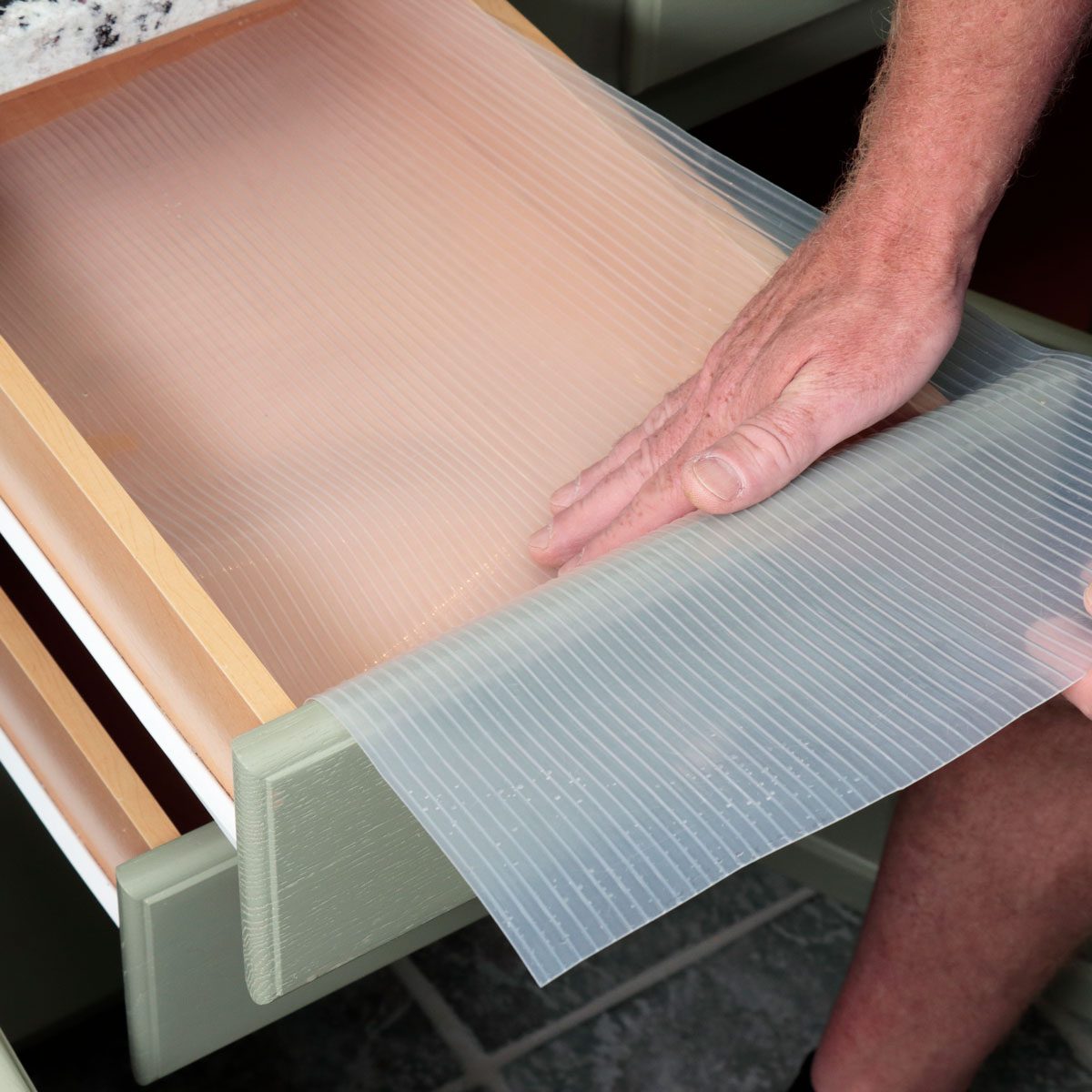
Drawer and shelf liners serve multiple purposes in a home. Whether you use them in the kitchen, pantry, bathroom or office, shelf liners help to keep your spaces organized and damage-free.

When looking for the best shelf or drawer liner for your home, we recommend one without adhesive. A removable liner can be taken out when needed to clean up spills and crumbs.


Article source here: Best Affordable Drawer and Shelf Liners

Article source here:

9 Innovative Plant Humidifiers and Misters

Plant Humidifier Gettyimages 1231181425

Why Use a Plant Humidifier?

It’s essential to check your area’s USDA Hardiness Zone before putting a plant in the ground, but indoor plants provide more freedom of choice. Modern, temperature-controlled homes are suitable for all kinds of plants.

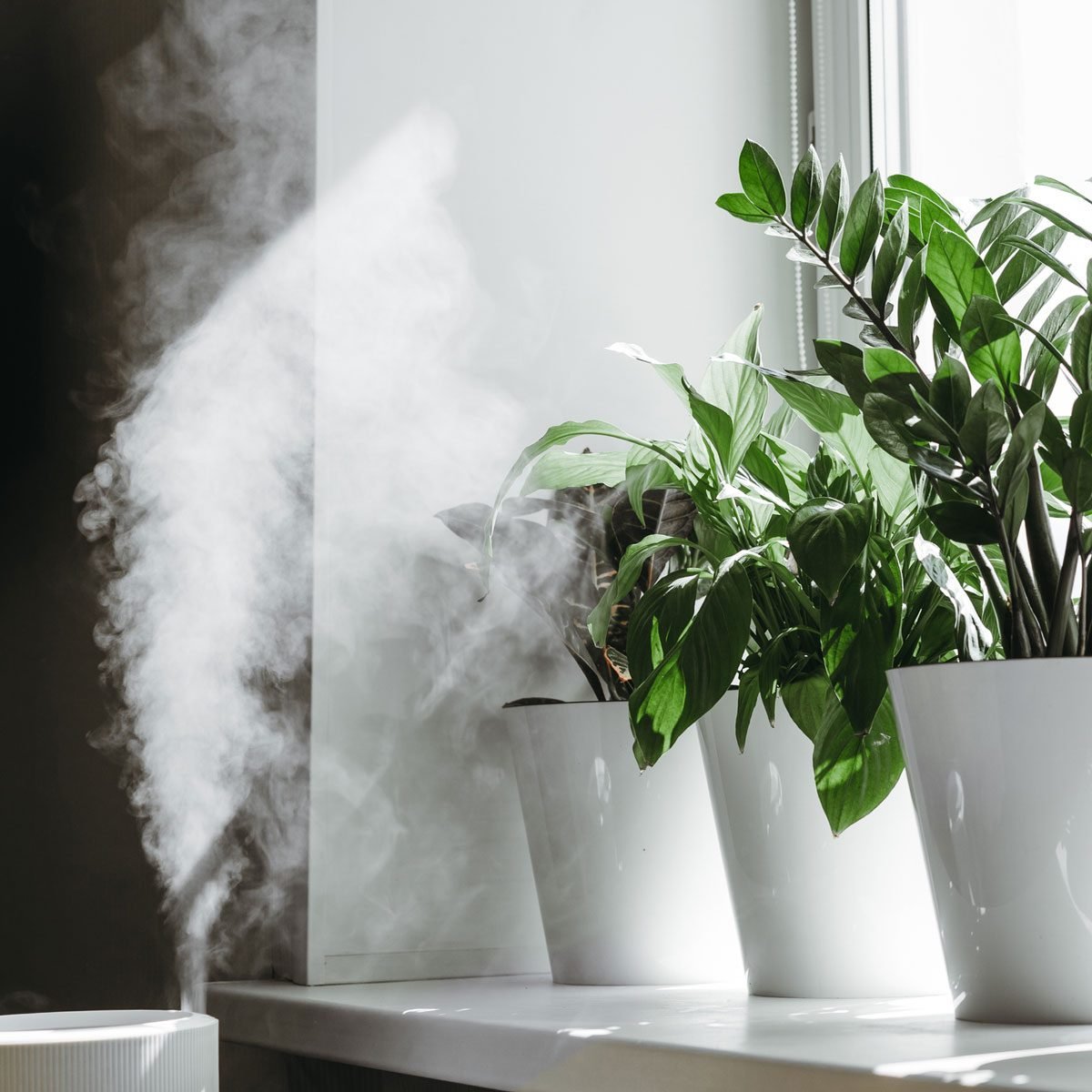
But a plant needs more than just warmth. Tropical houseplants, in particular, prefer a humid environment. If your home’s dry air is causing yellow leaves or another problem, a plant humidifier or mister should help them perk back up. Here are our picks for the best humidifiers for plants that need a little pick-me-up.


Article source here: 9 Innovative Plant Humidifiers and Misters

Article source here:

Best Affordable Drawer and Shelf Liners

Placing Plastic Drawer Liner in a Bathroom Gettyimages 1195926298

Why You Should Use Shelf and Drawer Liners

Drawer and shelf liners serve multiple purposes in a home. Whether you use them in the kitchen, pantry, bathroom or office, shelf liners help to keep your spaces organized and damage-free.

When looking for the best shelf or drawer liner for your home, we recommend one without adhesive. A removable liner can be taken out when needed to clean up spills and crumbs.


Article source here: Best Affordable Drawer and Shelf Liners

9 Innovative Plant Humidifiers and Misters

Plant Humidifier Gettyimages 1231181425

Why Use a Plant Humidifier?

It’s essential to check your area’s USDA Hardiness Zone before putting a plant in the ground, but indoor plants provide more freedom of choice. Modern, temperature-controlled homes are suitable for all kinds of plants.

But a plant needs more than just warmth. Tropical houseplants, in particular, prefer a humid environment. If your home’s dry air is causing yellow leaves or another problem, a plant humidifier or mister should help them perk back up. Here are our picks for the best humidifiers for plants that need a little pick-me-up.


Article source here: 9 Innovative Plant Humidifiers and Misters

Why Wind Is More Dangerous When the Leaves Are Still on Trees

Trees are vulnerable to powerful storms, even a single gust of wind. While tree damage can occur any time of the year, wind damage is more d...